
Blog Post: The Garden Mind Manifesto
I'm Not Teaching You to Garden. I'm Teaching You to Grow.
By: Erin Greenfingers, Founder & Lead Growth Mentor
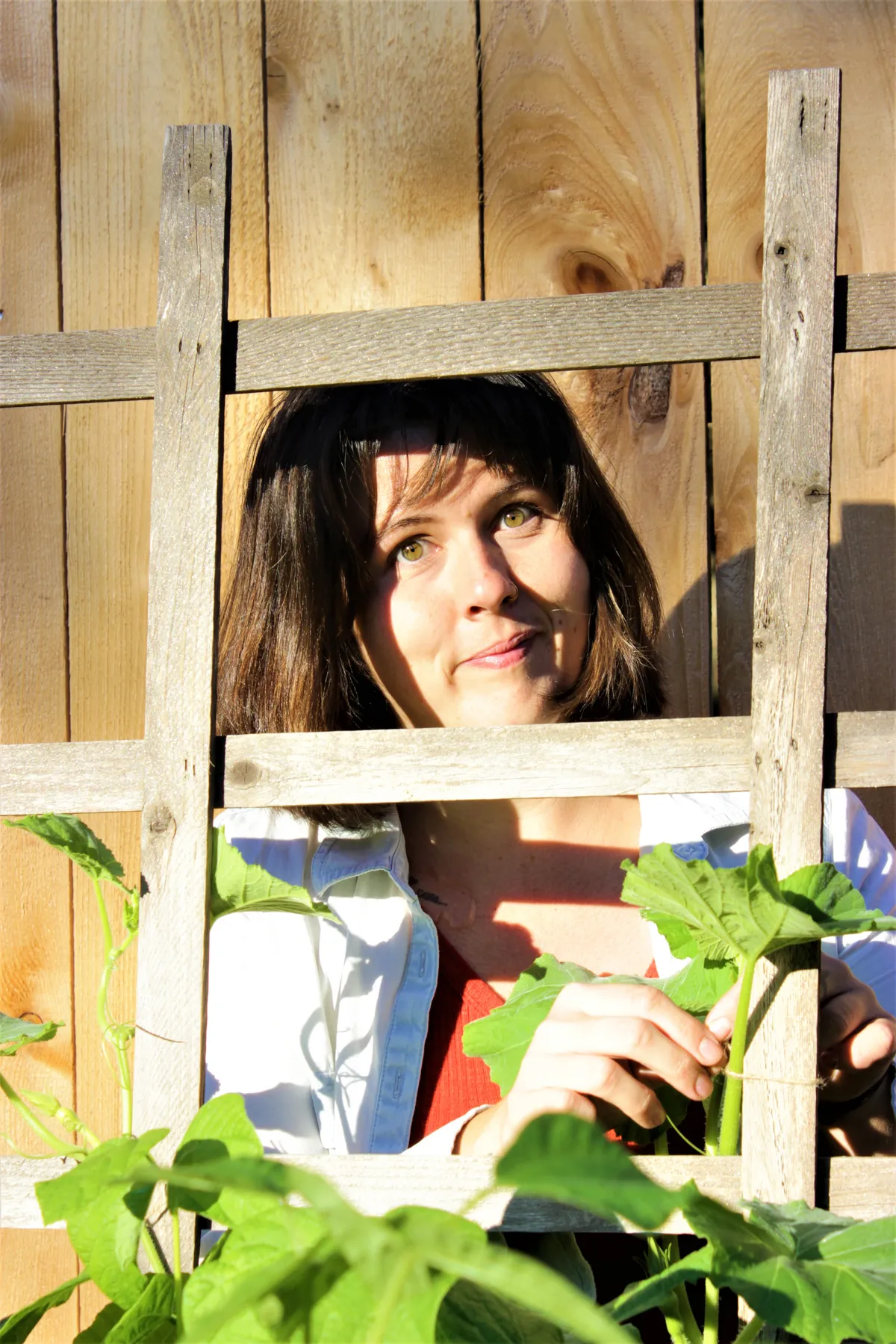
I've been wanting to tell y'all something that took me years to fully understand about my own work.
I am not just a gardening teacher.
I mean — of course I am. I know how to build raised beds, amend soil, read a seed packet, manage pests without chemicals, plan a four-season harvest, and coax a plant back from what everyone else would've called dead. I've been a professional gardener in New Orleans for over a decade, and I genuinely love every muddy minute of it.
But that's not actually what I'm teaching you when we're in a garden together.
I'm teaching you how to grow. What it takes, how it happens, and what it means in your life — not just your garden.
What is the Garden Mind?The Garden Mind is the practice of applying a gardener's way of seeing — observing conditions, reading patterns, responding in relationship to what's actually there — to every area of your life. It's the skill gardening gives you that doesn't stay in the garden. It's a philosophy of personal growth rooted in the rhythms of the natural world.
Here's what I've come to understand: that skill — once you develop it — doesn't stay in the garden. It can't.
Because the same way you learn to observe nature — soil, water, sunlight, critters, and the seasonality of it all — in order to garden, you can't help but start to apply that same attention everywhere else in your life, too. That's what I mean when I say "grow." It's a way of seeing the world.
As you learn to grow, you tend your energy. Your relationships. Your grief. Your seasons of life. The terrain of who you are and what you're actually growing toward. All through a garden's lessons on life. The healthiest, most balanced version of you possible.
That's what I call growing a Garden Mind.
And this is where I'll be spending the next season of my work — honestly, slowly, and in the only way that's ever felt true to me: through experience.
How Mindful Gardening Began. My New Orleans Story -
I grew up in New Orleans. Born and raised.
And if you know anything about New Orleans, you know it's a city built on resilience — layered, complicated, wildly alive, and also intimately acquainted with loss and overflowing with love.
I learned that early. When I was twelve years old, Hurricane Katrina evacuated our whole world. The kind of upheaval that doesn't just displace your address — it displaces your sense of what reality has in store for you. Especially as a kid just starting to learn. This city tests your limits and teaches you that growth is the only option, even when faced with devastation.
What I didn't know then was that I was already learning the Garden Mind's first lesson, even if I didn't have language for it yet:
You cannot control the conditions. You can only grow through them.
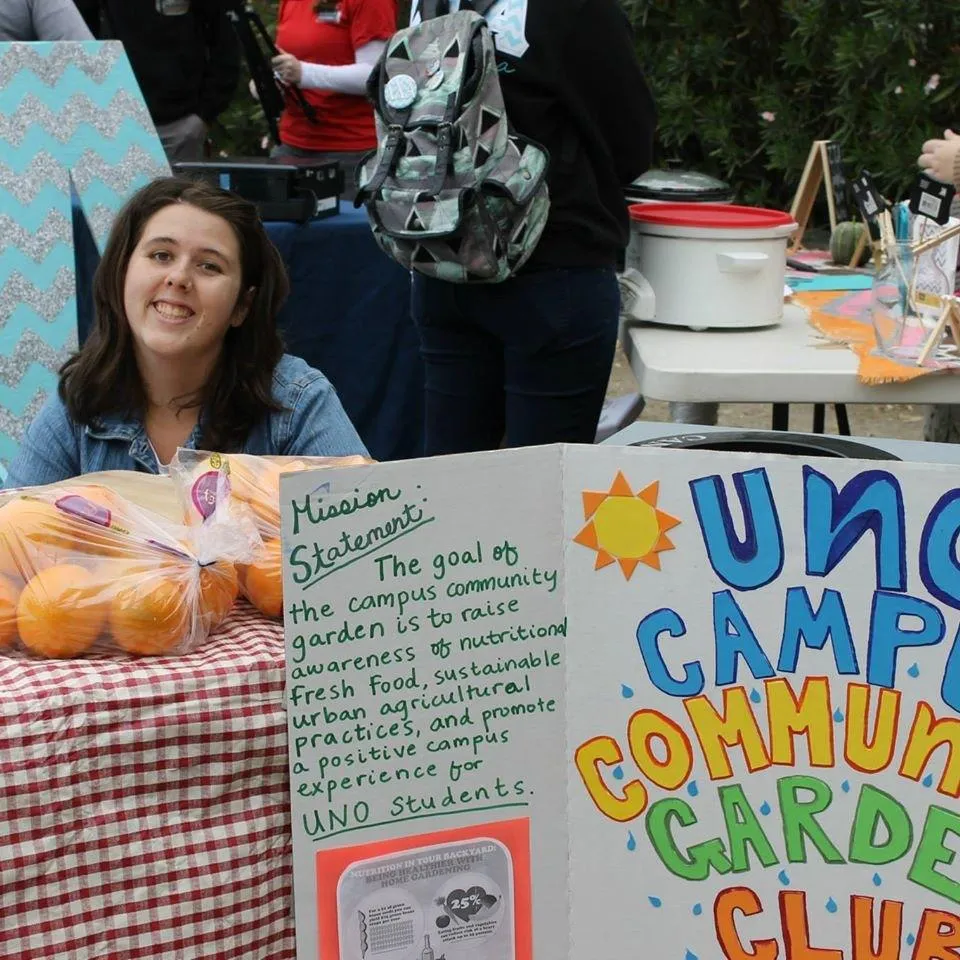
Years later, I found my way to the University of New Orleans, where I studied Cultural Anthropology — the discipline of asking better questions about how humans make meaning, exist in community, and survive in relationship with everything in their world. I had no idea it was incubating the seed that was just waiting to germinate in me. The one that would grow my worldview of what's possible.
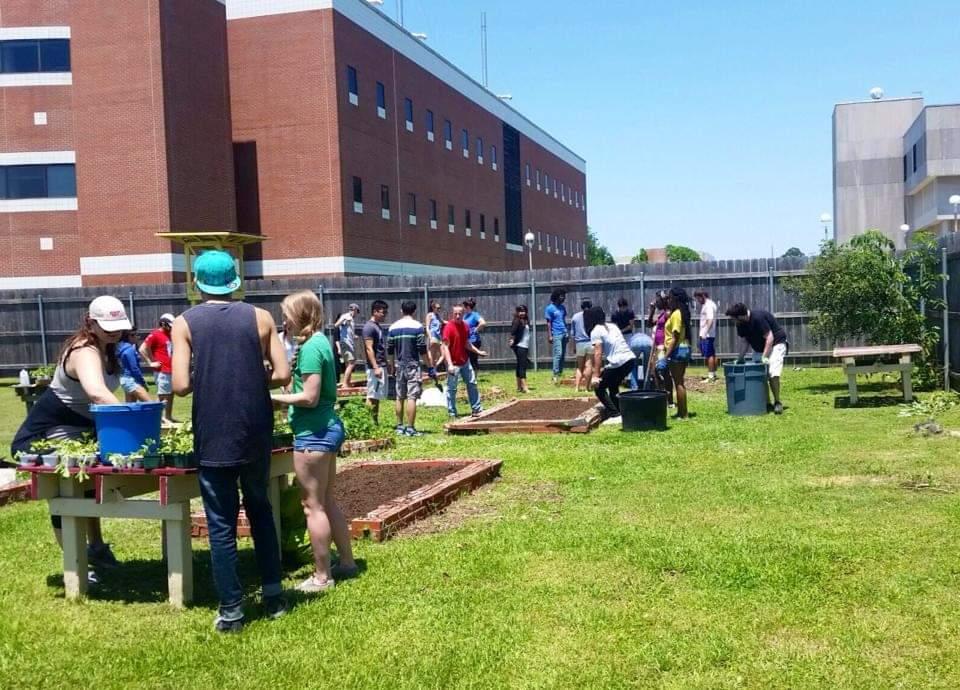
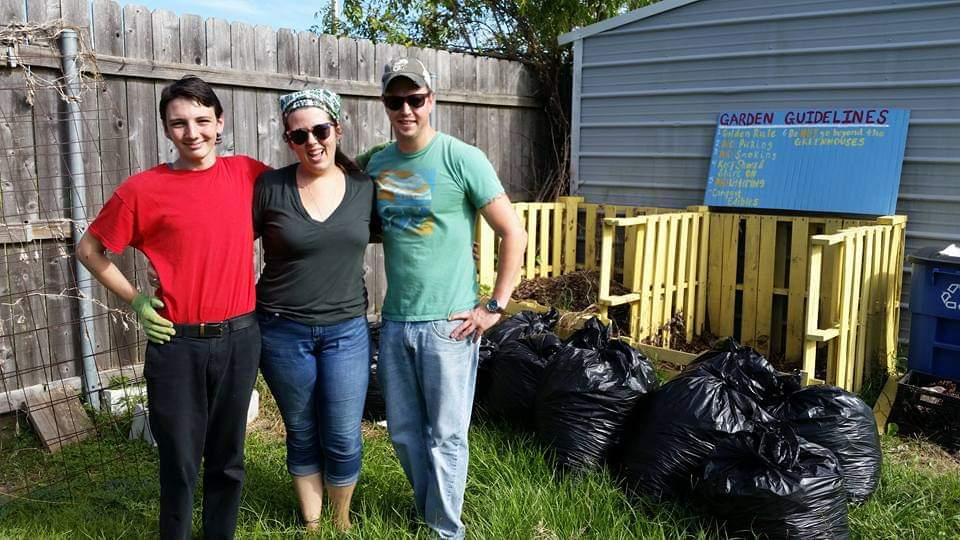
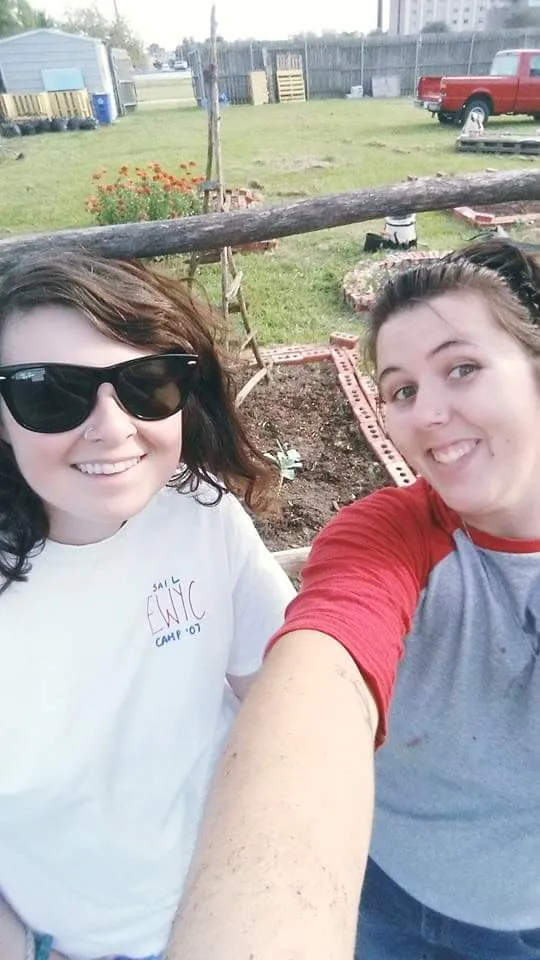
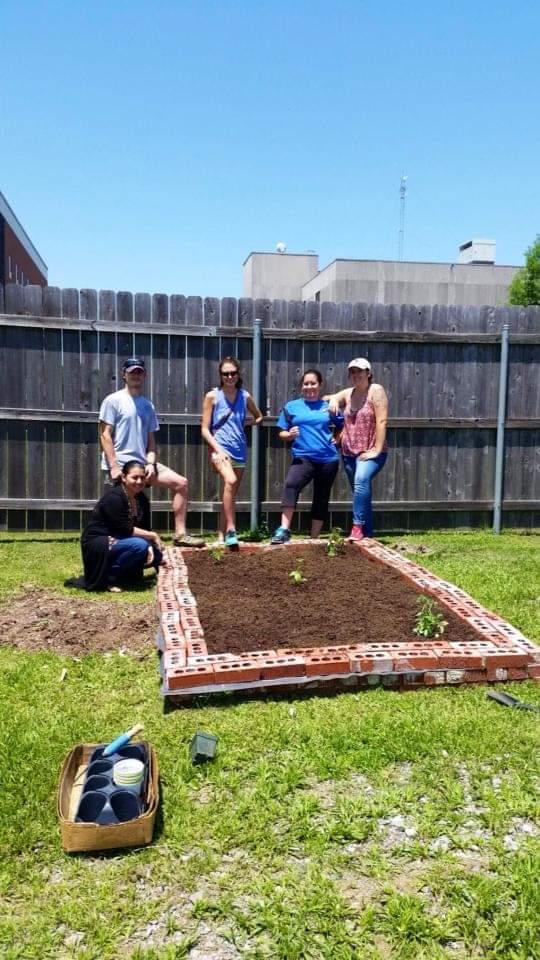
I created UNO's first community garden in 2014, because my time studying farmers markets for my degree helped me see the connection between people and plants. I really wanted to know how deep that connection goes in a world that no longer seemed to value it.
Nobody told me to do that, but I just kept observing it, even when my professors called me biased in my reporting. Still, I kept looking closely, and grew so much perspective in the process through hands on expereince.
What Mindful Gardening Actually Teaches You
Here's the thing most people don't realize before they start growing food:
the garden doesn't respond to your intentions. It responds to your attention.
You can have the best plan, the most expensive raised bed kit, the prettiest garden journal — and if you haven't learned to read your actual conditions, you'll be frustrated by June. But the gardener who slows down, looks first, and asks the right questions before reaching for a trowel? That garden(er) grows so much more in the long run.
What questions, you ask? Things like:
- What does this soil and temperature tell me about what's able to grow here?
- Where does the water go when it rains?
- What's volunteering up from last season — and when is it growing in this spot?
- What is the garden trying to do on its own — and how do I better understand what it all means?
The Garden Mind Framework: Observe, Interpret, Respond, Reflect
Over years of working with gardens and the people who tend them, I've noticed that transformation — real transformation, the kind that sticks — follows a particular rhythm. I call it the Garden Mind Framework.
1. Observe - Not stress. Not fix. Not optimize. First, just look. Let the garden show you what it is before you decide what it needs to become. This takes a whole season.
2. Interpret - Ask what you're seeing. Not just what is here but what does this mean? This is where the Garden Mind lives. This is where curiosity becomes experience.
3. Respond - Only now do you act — and you act in relationship to what nature has actually revealed to you over time, not what your plan originally assumed. Not stripping away everything at once. Growing with the flow of it.
4. Reflect - What did these actions reveal? What would I do differently? What surprised me?
This is what gets stored for the next season — dormancy that isn't idle, but quietly preparing the next growth cycle.
Observe. Interpret. Respond. Reflect.
This is how I teach you to grow.
In the process, a garden becomes more than a collection of plants — it becomes a way to see life itself. It's how any of us can grow easily, so long as we keep coming back to the process.
Gardening as a Philosophy of Personal Growth -
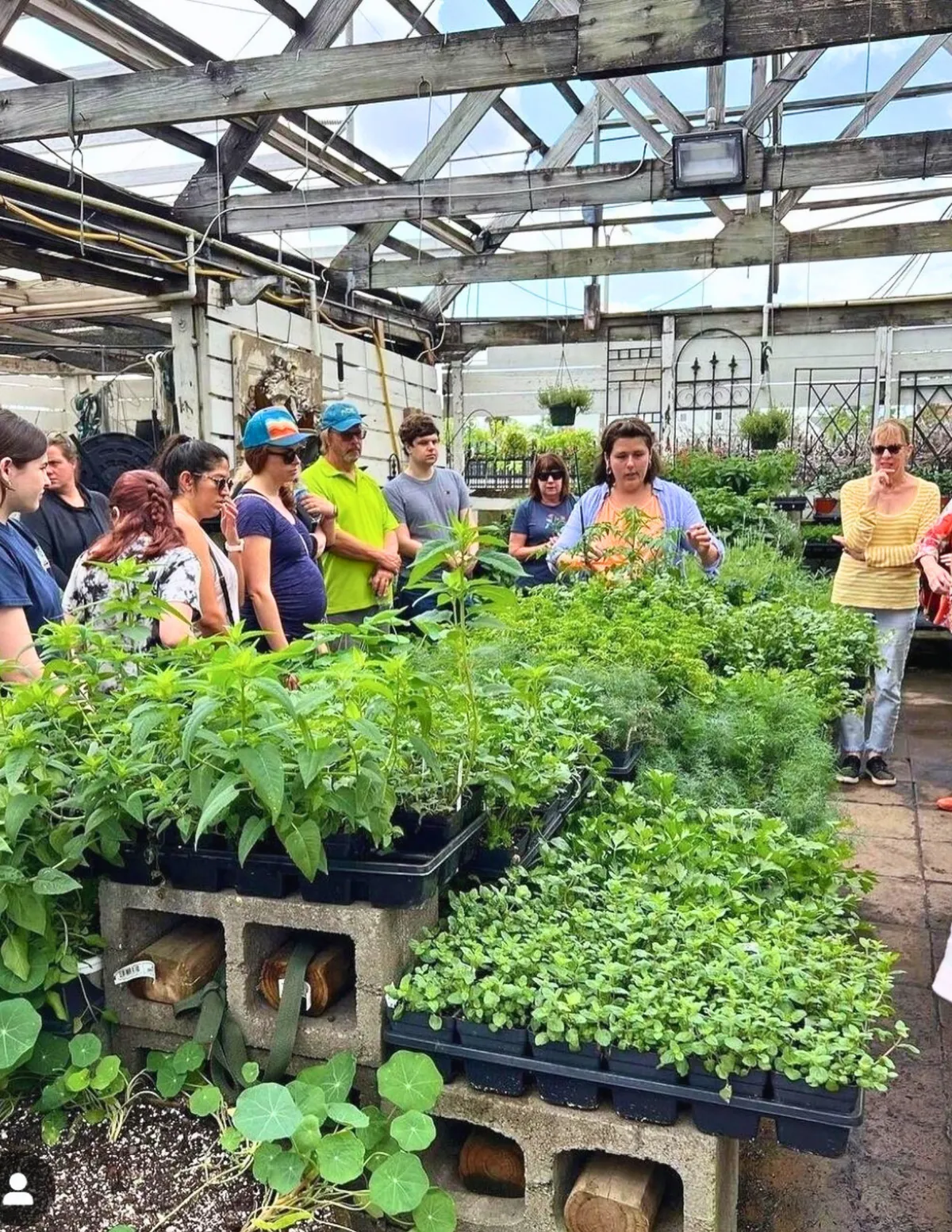
I've spent years helping families build gardens of all types — in backyards, frontyards, and courtyards across New Orleans.
I've watched people plant their first seed with shaking hands and return eight weeks later looking, somehow, like a different version of themselves.
Not because the garden fixed them — but because it taught them something that lectures and articles and good intentions never quite could.
It taught them how to pay attention and engage with something alive in the natural world. Especially for those of us who are exhausted by humanity on a daily basis.
This is where I'm going to document those discoveries — not as a how-to guide, and not as a brand strategy, but as an honest, ongoing record of what the Garden Mind keeps revealing as I live it, travel with it, teach it, and let it continue to teach me.
Some essays will be about actual gardens — the soil, the seasons, the failures I learned more from than the successes. Some will be about travel, because every city I visit grows me differently.
Some will be about grief, about community, about what it means to grow things in a world that often feels more extractive than nurturing.
All of it is rooted in one question that I think is worth spending a lifetime with:
What is this trying to grow — and what is it growing in me?
The Questions that make the Garden Mind Different
When I first started working with clients, I noticed that the most transformative part of our consultations wasn't the plant list or the bed layout or the soil amendments.
It was the questions I asked before any of that.
Who lives here? Who do you hope to feed? What season of life are you in right now? What do you hope this garden gives you besides food? What have you tried before that discouraged you? What brings you peace when you step outside?
Most people would say: I've never had a "landscaper" ask me that before.
That's my anthropology degree at work in my horticultural career. That's ethnography in real life. That's how the best plan is created. And that's the lens I bring to every garden(er) I help grow.
From their perspective, it's just a really thoughtful way to begin. No one ever approaches them that way.
From mine, it's my whole philosophy. The way I approach living.
Because I've learned — in the garden and everywhere else — that you should not share your solutions until you understand what's already in place.
Every site is unique. Every family exists in their own ecosystem. Every person has different goals. And few understand the right questions to ask.
The Garden Mind begins not with a plan but with a question: what's already growing here?
And this is an invitation to start asking it.
I'm Erin Greenfingers — Master Gardener, Cultural Anthropologist, and founder of Grow Greenfingers Edible Gardens in New Orleans. I've spent over a decade growing plants and people in the kitchen garden. This is where I go deep.
If this resonated, subscribe to the Garden Club at the button below to grow your Garden Mind weekly alongside your garden — and share it with someone who needs permission to slow down in order to grow.
Frequently Asked Questions
01.
What is the Garden Mind Framework?
The Garden Mind Framework is a four-step approach to personal growth inspired by how skilled gardeners observe and work with nature: Observe, Interpret, Respond, and Reflect. Created by New Orleans master gardener Erin Greenfingers, it's her gardening philosophy to teach the skill of organic gardening as a strategy for mindfulness in every area of life — relationships, grief, work, and personal transformation.
02.
What is Mindful Gardening?
Mindful gardening is the practice of bringing slow, deliberate attention to the garden(er) — reading conditions, noticing patterns, and letting the garden's feedback guide your actions rather than forcing a plan.
At Grow Greenfingers, we teach mindful gardening as both a horticultural skill and a practice for personal growth.
03.
How does gardening help with personal growth?
Gardening builds a specific skill set: the ability to observe, ask the right questions, and respond to what's actually present in daily reality rather than what you assume without experience. These skills — once learned in the garden — transfer to every area of life. Research also supports the relationship between gardening, mental health, and resilience.
04.
What does a garden teach you about life?
A garden teaches you that growth is not linear, that conditions matter more than intentions, and that practice and close observation yield more than force. In the words of the Garden Mind: you cannot control the conditions — you can only grow through them.
05.
What is the difference between gardening and mindful gardening?
Conventional gardening can be task-driven — check the list, water, weed, move on. Mindful gardening adds a layer of reflective attention: What is this plant telling me? What does this soil reveal? What is changing this season? It transforms garden time from productivity into practice.
06.
Who is Erin Greenfingers?
Erin Greenfingers is a Louisiana Master Gardener, Certified Gardenary Consultant, and founder of Grow Greenfingers Edible Gardens in New Orleans. With a background in Cultural Anthropology and over 10 years of hands-on experience in organic edible gardens, she developed the Garden Mind Framework as a philosophy for growing plants and people.
About
Expert vegetable garden consultations and organic garden coaching. Transform your space with Grow Greenfingers Edible Gardens.
Copyright @ Grow Greenfingers 2026 All Rights Reserved


